Your How do selective herbicides work images are available in this site. How do selective herbicides work are a topic that is being searched for and liked by netizens now. You can Download the How do selective herbicides work files here. Get all royalty-free images.
If you’re looking for how do selective herbicides work pictures information related to the how do selective herbicides work topic, you have pay a visit to the right blog. Our website frequently gives you suggestions for seeing the highest quality video and image content, please kindly hunt and locate more informative video articles and graphics that fit your interests.
How Do Selective Herbicides Work. Herbicides that can be utilized on a garden will selectively kill annual grasses. Contact herbicides kill the green tissues of the surface they touch. They are used predominately in monocropping situations. Non-selective herbicides on the other hand kill all of the plants they come into contact with.
 1litre Society Selective Herbicide At Rs 1460 Litre Selective Herbicide Id 19872088012 From indiamart.com
So if the herbicide. Once the herbicide has moved through the water. How Does a Selective Herbicide Recognize Weeds From Grass. This selectivity may be due to diff erences in herbicide absorption translocation or physiological diff erences between weeds and the turfgrass. Herbicides kill plants by stopping metabolic processes in the plant. Selective herbicides kill only certain plants because they act on processes that happen in only those types of plants.
How Does a Selective Herbicide Recognize Weeds From Grass.
Selective herbicides could also be categorised relying on how they act to kill weeds. When a herbicide is referred to as being selective it means that the herbicide can be applied to your crop and will control or suppresses the targeted weed species without affecting the growth of your crop. Non-selective herbicides on the other hand kill all of the plants they come into contact with. Herbicides that can be used on a lawn will selectively kill annual grasses and broadleaf weeds. Non-Selective HerbicidesThese chemicals are toxic to all the plants or kill all kinds of vegetation. Non-selective herbicides are contact or systemic.
 Source: specialistsales.com.au
Not all plants have the same metabolic processes so by using a selective herbicide that is safe for your lawn you can target and eliminate specific weeds without risking your lawn. Then it must move through the water-filled space that is around the cell. Some herbicides block cell division and cell wall formation in emerging root tissue. This selectivity may be due to diff erences in herbicide absorption translocation or physiological diff erences between weeds and the turfgrass. Herbicides that can be used on a lawn will selectively kill annual grasses and broadleaf weeds.
 Source: jimboombaturf.com.au
Once the herbicide has moved through the water. After the herbicide is applied it must then be retained on the leaf and penetrate the waxy cuticular layer that is on the leafs surface. Herbicides kill plants by. Herbicides work in many different ways. Selective herbicides kill only certain plants because they act on processes that happen in only those types of plants.
 Source: in.pinterest.com
Broadleaf weed killers are selective herbicides that work in lawns by focusing on dicots which are actively rising whereas not harming the monocots similar to garden grass. Herbicides work in many different ways. Contact herbicides kill the green tissues of the surface they touch. Herbicides kill plants by. Some herbicides block cell division and cell wall formation in emerging root tissue.
 Source: syngenta.co.ke
Lets take a closer look at these options. In effect the weed actually grows itself to death. Herbicides work in many different ways. This herbicide kills all plants it comes into contact with so make sure that there is n. Non-selective herbicides are contact or systemic.
 Source: imaginecare.co.ke
Broadleaf weed killers are selective herbicides that work in lawns by targeting dicots that are actively growing while not harming the monocots such as lawn grass. Contact herbicides kill the green tissues of the surface they touch. Non-Selective HerbicidesThese chemicals are toxic to all the plants or kill all kinds of vegetation. Selective herbicides are selective they only work on a particular type of weed or grass and if used as advised will only harm the intended target and not everything they come in contact with. Once the herbicide has moved through the water.
 Source: agrilifeextension.tamu.edu
Selective herbicides kill only certain plants because they act on processes that happen in only those types of plants. Broadleaf weed killers are selective herbicides that work in lawns by focusing on dicots which are actively rising whereas not harming the monocots similar to garden grass. How Non-Selective Herbicides Work. Selective Selective herbicides work by targeting specific metabolic processes that plants rely on to survive. When a herbicide is referred to as being selective it means that the herbicide can be applied to your crop and will control or suppresses the targeted weed species without affecting the growth of your crop.
 Source: agrilifeextension.tamu.edu
Lets take a closer look at these options. Herbicide selectivity is generally achieved broadly by either. Non-selective weed killers do not differentiate between plants when applied so a non-selective product will affect any growing plant. Non-selective herbicides are contact or systemic. This herbicide kills all plants it comes into contact with so make sure that there is n.
 Source: crop.bayer.com.au
How Do Selective Herbicides Work. Contact herbicides destroy only the plant tissue that is in contact with the chemical. Broadleaf weed killers are selective herbicides that work in lawns by focusing on dicots which are actively rising whereas not harming the monocots similar to garden grass. This selectivity may be due to diff erences in herbicide absorption translocation or physiological diff erences between weeds and the turfgrass. Some herbicides block cell division and cell wall formation in emerging root tissue.
Source: indiamart.com
Broadleaf weed killers are selective herbicides that work in lawns by focusing on dicots which are actively rising whereas not harming the monocots similar to garden grass. How does herbicide work. After the herbicide is applied it must then be retained on the leaf and penetrate the waxy cuticular layer that is on the leafs surface. This selectivity may be due to diff erences in herbicide absorption translocation or physiological diff erences between weeds and the turfgrass. Nonselective herbicides kill almost all kinds.
 Source: syngenta.co.ke
Selective weedkillers work by stimulating growth in the weed that cannot be sustained. How does a selective herbicide work. There is a lot of confusion and misunderstanding in the general public about selective herbicides pesticides and other technologies used in the agriculture industry today. Not all plants have the same metabolic processes so by using a selective herbicide that is safe for your lawn you can target and eliminate specific weeds without risking your lawn. How does herbicide work.
 Source: syngenta.com.au
Selective herbicides are selective they only work on a particular type of weed or grass and if used as advised will only harm the intended target and not everything they come in contact with. How is herbicide selectivity achieved. Not all plants have the same metabolic processes so by using a selective herbicide that is safe for your lawn you can target and eliminate specific weeds without risking your lawn. Contact herbicides destroy only the plant tissue that is in contact with the chemical. What makes a herbicide selective.
 Source: lawndoctor.com.au
Selective herbicides are selective they only work on a particular type of weed or grass and if used as advised will only harm the intended target and not everything they come in contact with. Herbicides kill plants by stopping metabolic processes in the plant. Bindii clover oxalis and many others your common broadleaf weeds can all be targeted with a selective herbicide. Herbicides kill plants by. Lets take a closer look at these options.
 Source: imtrade.com.au
First herbicides are active in the weed either through contact or in a systemic way. Herbicides kill plants by. How Non-Selective Herbicides Work. One type of selective herbicide for broadleaf weeds is a synthetic growth regulator. Lets take a closer look at these options.
 Source: baltoncp.com
Systemic herbicides can move through the target plant. In order to be effective herbicides must first be applied to a plant. Non-selective herbicides on the other hand kill all of the plants they come into contact with. When a herbicide is referred to as being selective it means that the herbicide can be applied to your crop and will control or suppresses the targeted weed species without affecting the growth of your crop. Herbicides work in many different ways.
 Source: walmart.com
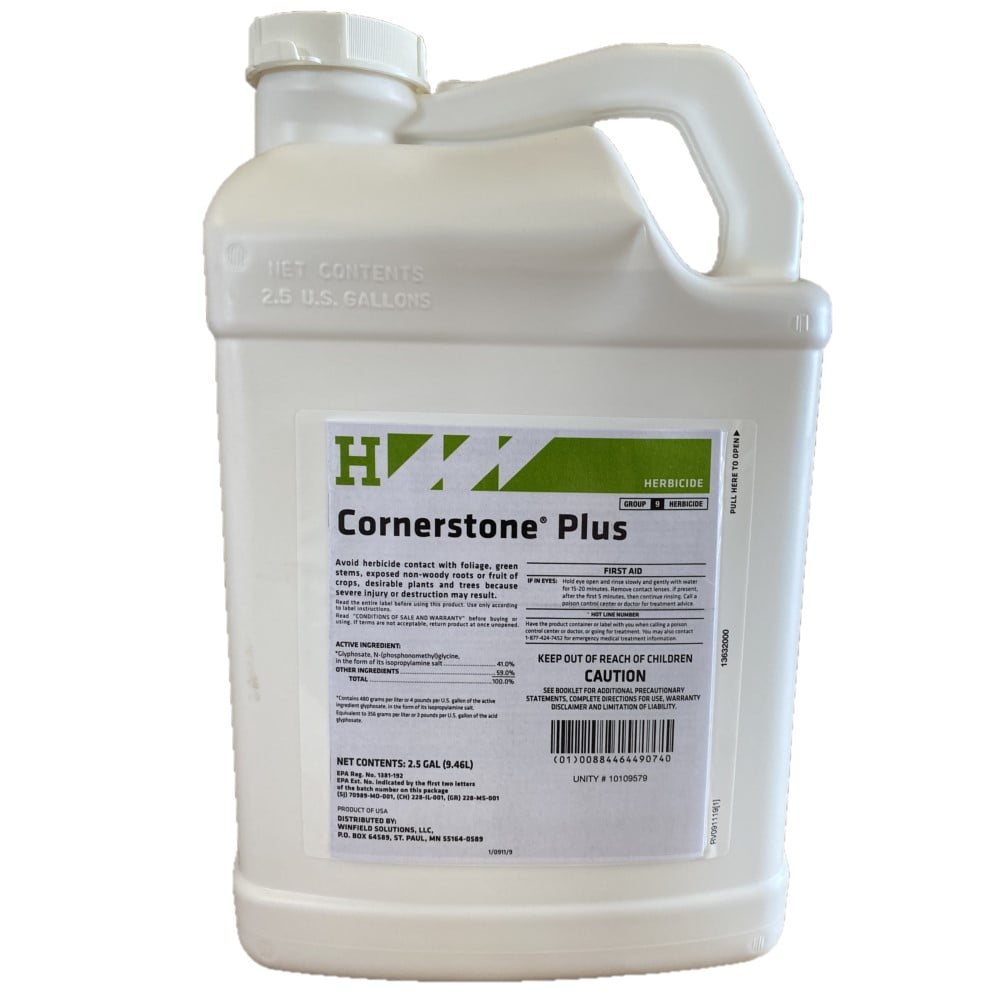
Selective and Non-Selective Herbicides Selective herbicides kill one type of plant but not anotherfor example grass weeds but not broad-leaved weeds. How do you apply herbicides. The most common type of broadleaf. Herbicide selectivity is generally achieved broadly by either. Selective herbicides control specific weed species while leaving the desired crop relatively unharmed while non-selective herbicides sometimes called total weedkillers in commercial products can be used to clear waste ground industrial and construction sites railways and railway embankments as they kill all plant.
 Source: pinterest.com
Broadleaf weed killers are selective herbicides that work in lawns by targeting dicots that are actively growing while not harming the monocots such as lawn grass. However when these herbicides are used in high concentration they tend to have phytoxic effect on cultivated crops. This herbicide kills all plants it comes into contact with so make sure that there is n. 2 How do selective herbicides work21 Broadleaf herbicides22 Narrow-leaf herbicides 21 Broadleaf herbicides 22 Narrow-leaf herbicides. So if the herbicide.
 Source: agrigem.co.uk
Selective weedkillers work by stimulating growth in the weed that cannot be sustained. Herbicides work in many different ways. Selective herbicides are selective they only work on a particular type of weed or grass and if used as advised will only harm the intended target and not everything they come in contact with. How do you apply herbicides. Non-selective weed killers do not differentiate between plants when applied so a non-selective product will affect any growing plant.
 Source: harwoodslawncare.com.au
Herbicides that can be utilized on a garden will selectively kill annual grasses. Herbicides kill plants by. They are used predominately in monocropping situations. After the herbicide is applied it must then be retained on the leaf and penetrate the waxy cuticular layer that is on the leafs surface. They take some time to work - possibly up to 4 to 6 weeks - slower when it is cold quicker in good growing conditions warm moist soil and when weeds are growing actively.
This site is an open community for users to do sharing their favorite wallpapers on the internet, all images or pictures in this website are for personal wallpaper use only, it is stricly prohibited to use this wallpaper for commercial purposes, if you are the author and find this image is shared without your permission, please kindly raise a DMCA report to Us.
If you find this site beneficial, please support us by sharing this posts to your own social media accounts like Facebook, Instagram and so on or you can also bookmark this blog page with the title how do selective herbicides work by using Ctrl + D for devices a laptop with a Windows operating system or Command + D for laptops with an Apple operating system. If you use a smartphone, you can also use the drawer menu of the browser you are using. Whether it’s a Windows, Mac, iOS or Android operating system, you will still be able to bookmark this website.