Your How do i plan my vegetable garden images are ready. How do i plan my vegetable garden are a topic that is being searched for and liked by netizens today. You can Get the How do i plan my vegetable garden files here. Get all royalty-free images.
If you’re looking for how do i plan my vegetable garden pictures information linked to the how do i plan my vegetable garden keyword, you have pay a visit to the right site. Our website always gives you hints for downloading the highest quality video and picture content, please kindly surf and find more informative video content and images that match your interests.
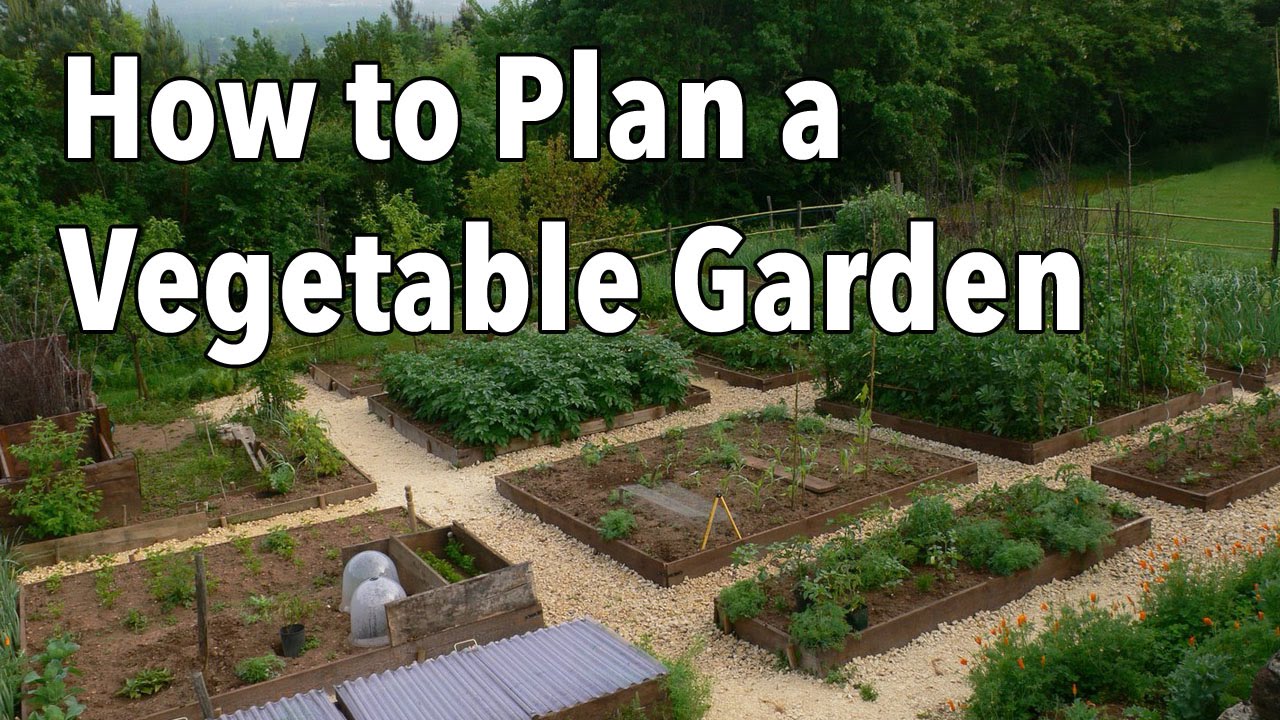
How Do I Plan My Vegetable Garden. Select a crop from the plant selection bar and add it to your plan. Backfll with garden soil taping frmly to ensure a contact between soil and roots. Plant the garden near a water supply if possible. As you add vegetables the space they require is clearly shown by the colored area around each plant and the tooltip displays how many plants will fit into the area.
 Vegetable Garden Planning Mapping The Garden Beds Vegetable Garden Planning Planting Vegetables Garden Planning From pinterest.com
Do not plant where buildings trees or shrubs will shade the garden. Planning begins with a blank garden diagram and the list of plants that you want to grow. Be sure that the plants. Do I have the right growing conditions. With this tool draw your garden plan on the computer and drop in your preferred vegetables and it automatically calculates the proper spacing for each type of crop. 6 Simple Steps to Planning a Vegetable Garden Each Year Step 1 Draw a Map of Your Garden Area.
Beneficial insects fall into two categories.
Do not plant where buildings trees or shrubs will shade the garden. To add plants just click on the plant to pick it up click on your plan where you want to place it and then hold down your mouse button and drag to draw a whole row or block. Set A Scale For Your Garden Layout Map Mapping out your garden begins with setting a proper scale. 6 Simple Steps to Planning a Vegetable Garden Each Year Step 1 Draw a Map of Your Garden Area. Research how much space they need to thrive then choose a location to accommodate them. The second kind of beneficial insects are insects that.
 Source: pinterest.com
Hol es dir jetzt bei Softonic. Do I have the right growing conditions. 6 Simple Steps to Planning a Vegetable Garden Each Year Step 1 Draw a Map of Your Garden Area. In many areas a garden can grow without. Do you want to grow more vegetables with less effort.
 Source: uk.pinterest.com
Planning begins with a blank garden diagram and the list of plants that you want to grow. If you have a cold clay soil which takes longer to warm up in spring then early crops are tricky but later crops should be abundant and need relatively little watering. Beneficial insects fall into two categories. Ad Software sicher herunterladen. For this step I highly recommend creating a spreadsheet that you can save to your computer.
 Source: pinterest.com
You can have great success with a raised vegetable garden if you plan it carefully pairing medium-seized companion plants with taller plants and putting fas. Do you want to grow more vegetables with less effort. The more readily you can access tools and a water source the more likely you are to get out and get gardening keeping weeds under control and ensuring plants are watered regularly. Step 2 Create a Spreadsheet. Use the corner handles to extend the row or expand it out into a block and the Garden Planner will automatically calculate how many plants can be grown in that space.
 Source: pinterest.com
Make sure the spot gets 6-8 hours of direct sunlight every day and provides good soil drainage. Pollinators like bees are critical to the success of your vegetable garden. Check the plant list to see if the plan will do best in sun part shade or full shade. Backfll with garden soil taping frmly to ensure a contact between soil and roots. I usually use a ruler pencil thin black sharpie and pencil crayons for the garden mapping process.
 Source: pinterest.com
Pollinators like bees are critical to the success of your vegetable garden. Most vegetables need at least 6 hours of sunlight daily. Make sure you have space for herbs and flowers to attract beneficial insects. The Garden Planner automatically pulls in the frost dates for your specific location identifies easy vegetables and even identifies companion plants. Get your planner out along with some stationary.
 Source: de.pinterest.com
Do not plant where buildings trees or shrubs will shade the garden. 6 Simple Steps to Planning a Vegetable Garden Each Year Step 1 Draw a Map of Your Garden Area. To plan a vegetable garden choose veggies that are native or adaptable to your climate. Select a crop from the plant selection bar and add it to your plan. Beneficial insects fall into two categories.
 Source: pinterest.com
These layouts will help you plan out how much you need to grow when you should plant it and what to plant next to each other so all your plants. Vegetables need sunlight to grow well. The more readily you can access tools and a water source the more likely you are to get out and get gardening keeping weeds under control and ensuring plants are watered regularly. Do I have the right growing conditions. Plan Your Vegetable Garden Layout Choose either row cropping or intensive cropping there are benefits to each when you plan your vegetable gardens layout.
Source: pinterest.com
With this tool draw your garden plan on the computer and drop in your preferred vegetables and it automatically calculates the proper spacing for each type of crop. How to Plan a Vegetable Garden Grow more fruits vegetables and herbs by devoting a few hours each winter to planning By Ruth Lively Fine Gardening - Issue 90 No one can dispute that good soil plenty of nutrients and adequate water are important to the success of a vegetable garden. Pollinators like bees are critical to the success of your vegetable garden. Check the plant list to see if the plan will do best in sun part shade or full shade. Step 2 Create a Spreadsheet.
 Source: pinterest.com
Research how much space they need to thrive then choose a location to accommodate them. I highly recommend that you purchase a. Do not plant where buildings trees or shrubs will shade the garden. Make sure you have space for herbs and flowers to attract beneficial insects. Your garden planner includes a handy-dandy layout mapping page.
 Source: pinterest.com
Be sure that the plants. Do not plant where buildings trees or shrubs will shade the garden. Be sure that the plants. Make sure the spot gets 6-8 hours of direct sunlight every day and provides good soil drainage. Use the corner handles to extend the row or expand it out into a block and the Garden Planner will automatically calculate how many plants can be grown in that space.
 Source: pinterest.com
Do not plant vegetables under the branches of large trees or near shrubs because they rob vegetables of food and water. Plan Your Vegetable Garden Layout Choose either row cropping or intensive cropping there are benefits to each when you plan your vegetable gardens layout. Most vegetables need at least 6 hours of sunlight daily. With this tool draw your garden plan on the computer and drop in your preferred vegetables and it automatically calculates the proper spacing for each type of crop. Without pollination you will have no vegetables.
 Source: pinterest.com
Check the plant list to see if the plan will do best in sun part shade or full shade. Most vegetables need at least 6 hours of sunlight daily. You can have great success with a raised vegetable garden if you plan it carefully pairing medium-seized companion plants with taller plants and putting fas. Do not plant where buildings trees or shrubs will shade the garden. If you have our Garden Planner we make it easy to plan where to grow your fruits and vegetables.
 Source: pinterest.com
Without pollination you will have no vegetables. Be sure that the plants. If you have our Garden Planner we make it easy to plan where to grow your fruits and vegetables. Then plant the veggies according to their space and depth requirements and be. Perhaps youre tired of harvesting all your crops at once and instead you want a vegetable garden layout that gives you a consistent supply of fresh organic vegetables for your family.
 Source: pinterest.com
The second kind of beneficial insects are insects that. Vegetables need sunlight to grow well. This is one of 5 sections of our garden. Water immediately by slowly running a hose at the shrubs base for about 20 minutes. Beneficial insects fall into two categories.
 Source: ar.pinterest.com
I usually use a ruler pencil thin black sharpie and pencil crayons for the garden mapping process. In many areas a garden can grow without. Perhaps youre tired of harvesting all your crops at once and instead you want a vegetable garden layout that gives you a consistent supply of fresh organic vegetables for your family. Hol es dir jetzt bei Softonic. Select a crop from the plant selection bar and add it to your plan.
 Source: co.pinterest.com
Light soils on the other hand are great for early crops but can be dry and unproductive later. Make sure the spot gets 6-8 hours of direct sunlight every day and provides good soil drainage. Do not plant vegetables under the branches of large trees or near shrubs because they rob vegetables of food and water. Plant the garden near a water supply if possible. Vegetables need sunlight to grow well.
 Source: pinterest.com
These layouts will help you plan out how much you need to grow when you should plant it and what to plant next to each other so all your plants. In general you can enlarge or reduce the size of the garden by adding or eliminating plants although the character of the garden may change if you alter the size dramatically. Before you begin plotting out your garden layout review the list of crops you want to grow decided roughly how many plants of each vegetable you would like to raise and review the seed package to see how much area each plant will need. These layouts will help you plan out how much you need to grow when you should plant it and what to plant next to each other so all your plants. Plant the garden near a water supply if possible.
 Source: pinterest.com
Make sure the spot gets 6-8 hours of direct sunlight every day and provides good soil drainage. That said the sun and soil conditions are by far the more important factors to consider when planning a backyard vegetable garden. Plant the garden near a water supply if possible. For this step I highly recommend creating a spreadsheet that you can save to your computer. Use the corner handles to extend the row or expand it out into a block and the Garden Planner will automatically calculate how many plants can be grown in that space.
This site is an open community for users to share their favorite wallpapers on the internet, all images or pictures in this website are for personal wallpaper use only, it is stricly prohibited to use this wallpaper for commercial purposes, if you are the author and find this image is shared without your permission, please kindly raise a DMCA report to Us.
If you find this site good, please support us by sharing this posts to your preference social media accounts like Facebook, Instagram and so on or you can also save this blog page with the title how do i plan my vegetable garden by using Ctrl + D for devices a laptop with a Windows operating system or Command + D for laptops with an Apple operating system. If you use a smartphone, you can also use the drawer menu of the browser you are using. Whether it’s a Windows, Mac, iOS or Android operating system, you will still be able to bookmark this website.


